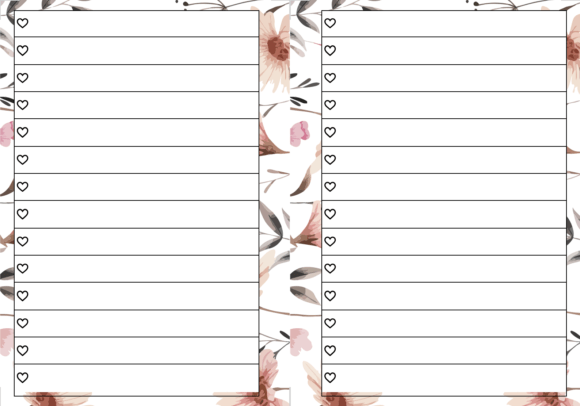
The Ultimate Guide to the Notebook Paper Planner: Digital Assets for Modern Creativity
In an era where digital efficiency meets analog aesthetics, the demand for high-quality printable resources has surged. Among these resources, the Notebook Paper Planner stands out as a versatile tool that bridges the gap between traditional note-taking and modern digital design. Whether you are a professional seeking streamlined organization, a hobbyist looking to enhance scrapbooking projects, or a business owner aiming for unique branding materials, understanding the utility of this specific digital asset is crucial. This guide explores the comprehensive applications, technical specifications, and creative potential of the A6 size PDF and PNG files associated with the Notebook Paper Planner.
Understanding the Core Asset: Format and Specifications
At its foundation, a Notebook Papers Planner is not merely a digital image; it is a functional template designed for precision and adaptability. The product in question typically comes in two primary formats: a printable planner page provided as a PDF file and a transparent PNG file. Each format serves distinct purposes within the creative and organizational workflows of various users.
The Power of the A6 Size PDF
The A6 size is a compact yet highly functional dimension, measuring approximately 105mm x 148mm. This size is particularly favored by professionals and students who require portability without sacrificing legibility. When downloaded as a printable notebook pdf, the A6 Notebook Paper Planner offers several advantages:
- Standardization: A6 is a standard ISO paper size, ensuring compatibility with most home printers, office copiers, and binding machines.
- Portability: Its small footprint makes it ideal for pocket planners, travel journals, and quick reference guides.
- Eco-Friendly Printing: Using less paper per page aligns with sustainable practices, allowing users to create extensive notes or designs with minimal resource consumption.
For educators and researchers, the A6 format allows for dense information packing. It is perfect for creating flashcards, meeting agendas, or daily task lists that can be easily carried in a briefcase or backpack. The PDF format ensures that the lines and margins remain crisp and vector-sharp regardless of how many times the document is printed or scaled.
Transparency and Versatility of the PNG File
While the PDF is king for printing, the accompanying Png File unlocks a world of digital design possibilities. Unlike the PDF, which is intended for physical output, the PNG (Portable Network Graphics) file features a transparent background. This characteristic is transformative for graphic designers, web developers, and digital artists.
When working with a Notebook Paper Planner in PNG format, designers can overlay the paper texture onto any background color, pattern, or photograph. This layering capability allows for the creation of sophisticated visual compositions without the white box effect often seen in other image formats. For instance, a web designer might use the PNG to create a realistic "note" element on a landing page, while a social media manager might use it to craft engaging quote graphics that mimic handwritten thoughts on lined paper.
Practical Applications Across Industries
The versatility of the Notebook Paper Planner extends far beyond simple note-taking. Its aesthetic appeal and structural simplicity make it a staple in diverse industries. Below, we examine how different sectors leverage this asset.
Crafting and Scrapbooking
For crafters, the Notebook Paper Planner is a foundational element. It is perfect for planner stickers, scrapbooking, web design, invitations, cardmaking, craft projects, collages, and numerous other artistic endeavors. In the realm of scrapbooking, the lined paper provides a nostalgic backdrop that contrasts beautifully with vibrant photographs and decorative embellishments. Hobbyists often print these pages on heavy cardstock to create durable journaling cards that anchor their photo layouts.
Furthermore, the PNG version is invaluable for digital scrapbookers. These users can manipulate the opacity and blend modes of the paper texture to create vintage effects, torn-edge looks, or layered collage styles. The ability to reuse the same asset across multiple projects without losing quality saves time and ensures consistency in personal archives.
Business and Professional Use
Contrary to the belief that lined paper is too informal for business, the Notebook Paper Planner can be integrated into professional branding when used strategically. Small business owners utilize these assets for:
- Stationery Design: Creating custom letterhead or memo pads that convey a sense of approachability and creativity.
- Marketing Materials: Designing flyers or brochures that feature "handwritten" notes to add a personal touch to corporate communications.
- Internal Documentation: Generating templates for meeting minutes or brainstorming sessions that encourage free-flowing ideas in a structured environment.
Additionally, the asset is suitable for business cards, fabric printing, scrapbook albums, letterhead, stationary and many more. Imagine a boutique hotel using the notebook paper texture on their room service menus or guest feedback forms to evoke a sense of classic elegance and attention to detail.
Education and Remote Learning
Educators have found immense value in the printable planner page for remote and hybrid learning environments. Teachers can distribute the PDF to students for interactive worksheets, vocabulary drills, or reflection journals. The consistent line spacing aids students with dysgraphia or those still developing fine motor skills, providing a clear guide for handwriting practice.
In higher education, researchers and academics use the planner to organize literature reviews, cite sources, and draft abstracts. The compact A6 size encourages concise thinking, forcing students to summarize complex ideas into digestible points. Moreover, the digital nature of the asset allows for easy distribution via learning management systems (LMS), reducing administrative overhead.
Technical Considerations for Optimal Results
To fully appreciate the Notebook Paper Planner, users must understand the technical nuances of printing and digital usage. Proper preparation ensures that the final output meets professional standards.
Printing Best Practices
When printing the A6 size Pdf File Notebook Paper Planner, consider the following tips:
- Paper Weight: For everyday notes, standard 80gsm paper is sufficient. However, for photo albums, home decor items, parties, or presentations, opt for heavier cardstock (200gsm or higher) to prevent ink bleed-through and provide a premium feel.
- Printer Settings: Ensure your printer driver is set to "Actual Size" or "100% Scale." Scaling errors can distort the line spacing, making the planner difficult to write in or aesthetically displeasing.
- Color Calibration: If adding color highlights or backgrounds, calibrate your monitor to match your printer’s output. This ensures that the subtle gray tones of the notebook lines appear consistent and do not overpower the content.
Digital Integration
For those using the Png File in design software like Adobe Photoshop, Illustrator, or Canva, resolution is key. Always download the highest resolution version available to avoid pixelation when scaling up for large-format prints such as banners or wall art. Additionally, check the transparency channels in your PNG file to ensure no unwanted white halos appear around the edges of the paper texture.
Expanding Creative Horizons
The true power of the Notebook Paper Planner lies in its adaptability. It is not just a static image but a canvas for innovation. Let us explore some unconventional uses that highlight its broad applicability.
Home Decor and DIY Projects
DIY enthusiasts can transform the Notebook Paper Planner into unique home decor items. By enlarging the PNG file and printing it on vinyl, one can create peel-and-stick wallpaper accents for nurseries, home offices, or study nooks. The clean lines of the notebook paper evoke a sense of order and calm, making it an excellent choice for spaces dedicated to focus and relaxation.
Moreover, the asset can be used in framing projects. Layering different colors of notebook paper behind glass creates a minimalist art piece that adds texture to gallery walls. For party decorations, the planner pages can be cut into shapes, strung together as garlands, or used as place cards for literary-themed events.
Fabric and Textile Design
In the textile industry, the Notebook Paper Planner offers a fresh take on patterned fabrics. By repeating the lined paper motif and adjusting the color palette, designers can create fabrics for clothing, quilts, or upholstery. This trend appeals to consumers who appreciate the juxtaposition of rigid structure (lines) with soft material (fabric). The process involves converting the digital asset to a seamless tile pattern, which can then be sent to a fabric printer for production.
Conclusion: Embracing the Hybrid Workflow
The Notebook Paper Planner represents more than just a digital file; it is a bridge between the tactile joy of writing and the limitless possibilities of digital design. Whether utilized as a printable planner page for daily organization or as a Png File for creative composition, its value is undeniable. By understanding the strengths of both the A6 PDF and the transparent PNG formats, users from all walks of life—professionals, creators, educators, and hobbyists—can harness this asset to enhance their productivity and artistic expression.
As we continue to navigate a hybrid world where digital and physical tools coexist, the importance of high-quality, adaptable resources cannot be overstated. The Notebook Paper Planner, with its wide range of applications from web graphics to stationary, empowers users to customize their environments and workflows in meaningful ways. By integrating this versatile asset into your projects, you unlock new levels of creativity and efficiency, proving that even the simplest designs can have profound impacts.