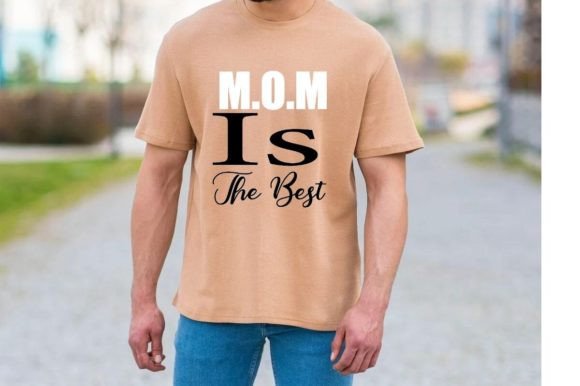
The Best Mom T-Shirt Design: Why Your Choice of Template Matters for Pi Day and Beyond
Finding the right graphic for your print-on-demand business or personal gift ideas can feel like searching for a needle in a haystack. You want something that resonates, looks professional, and sells—or at least makes someone smile. This is where The Best Mom T-Shirt Design comes into play, especially when paired with timely themes like Happy Pi Day graphics. Whether you are a seasoned entrepreneur looking to expand your catalog or a hobbyist wanting to create a unique keepsake, the quality of your source files dictates the success of your final product.
Many creators overlook the technical backbone of their designs. They focus solely on the visual appeal but neglect file formats, scalability, and customization ease. This oversight often leads to blurry prints, wasted time, and frustrated customers. By understanding what goes into a high-quality template, you can avoid these pitfalls and produce work that stands out in a crowded marketplace.
Understanding the Value of Customizable Templates
A template is not just a static image; it is a foundation for creativity. The Best Mom T-Shirt Design offers a freshly made design that is fully customizable. This means you are not stuck with a rigid look. You can tweak colors, fonts, and layouts to suit specific niches or holidays. For instance, integrating a "Happy Pi Day" theme into a mom-centric design requires flexibility. You need elements that can be resized without losing resolution and text that can be easily edited to fit different garment sizes.
For beginners, this ease of use is invaluable. It removes the steep learning curve associated with complex design software. For professionals, it saves hours of repetitive work, allowing them to focus on marketing and customer engagement rather than starting every project from scratch. The versatility of such templates ensures they are not limited to one product type. They can be adapted for T-shirts, sweatshirts, jumpers, hoodies, mugs, stickers, pillows, poster cards, and much more.
Common Mistakes When Choosing Design Assets
Even experienced designers can fall into traps when sourcing graphics. One of the most common errors is prioritizing aesthetics over technical specifications. A beautiful design printed on a low-resolution file will result in pixelated, unprofessional output. This is particularly critical when scaling up for large-format items like posters or down for small items like stickers. If the source file does not support vector scaling, you risk ruining the integrity of the image.
Another frequent mistake is ignoring the licensing terms. Some free or cheap templates come with restrictions that prohibit commercial use. Using such assets in a print-on-demand business can lead to legal issues and account bans on major platforms. Always verify that the template allows for commercial application, especially if you intend to sell the final products.
Furthermore, many users underestimate the importance of layer organization in design files. A poorly organized file can make simple edits—like changing a color or moving a text box—a nightmare. This inefficiency slows down production and increases the likelihood of errors. When evaluating a template, check if the layers are clearly labeled and grouped logically.
Why File Formats Matter More Than You Think
The format of your design file determines its usability across different printing methods and products. The Best Mom T-Shirt Design provides a comprehensive package including AI, EPS, SVG, and PNG files. Each serves a distinct purpose, and knowing how to use them correctly is essential for high-quality results.
- AI (Adobe Illustrator) and EPS Files: These are vector-based formats. Vectors use mathematical equations to define shapes, meaning they can be scaled infinitely without losing quality. This is crucial for large prints or when resizing logos. If you are designing for a hoodie or a large banner, always start with the vector file to ensure crisp edges and smooth curves.
- SVG (Scalable Vector Graphics): Similar to AI and EPS, SVG is a vector format but is widely supported by web browsers and cutting machines like Cricut or Silhouette. This makes it ideal for crafters who use vinyl cutters to create custom apparel or home decor items. It bridges the gap between digital design and physical crafting.
- PNG (Portable Network Graphics): This is a raster format, best suited for direct-to-garment printing or sublimation on smaller items. High-resolution PNGs with transparent backgrounds are versatile and easy to drop into various design programs. However, they cannot be scaled up beyond their original resolution without becoming pixelated. Use PNGs for standard T-shirt sizes and mug wraps, but avoid using them for large-scale posters.
Mixing these formats incorrectly can lead to poor print quality. For example, trying to scale a PNG file for a large poster will result in a blurry, jagged image. Conversely, using a vector file for a simple sticker might require unnecessary conversion steps. Understanding the strengths of each format helps you choose the right tool for the job, saving both time and money.
Maximizing Efficiency with Smart Design Choices
To get the most out of your templates, adopt a workflow that leverages their customizable nature. Start by identifying the core message of your design. For a Pi Day mom shirt, the humor or sentiment should be clear and legible. Then, select the appropriate file format based on the end product. If you are creating a multi-product bundle, ensure that all variations are prepared in their respective optimal formats.
Consider the audience as well. Parents and educators often appreciate designs that are playful yet readable. Avoid overly complex fonts or tiny details that may get lost in the fabric texture or print limitations. Test your designs on mockups before finalizing them. This step allows you to visualize how the colors interact with different garment fabrics and lighting conditions.
Additionally, keep an eye on current trends. While classic designs have lasting appeal, incorporating timely elements like Pi Day graphics can boost relevance and sales. However, balance trendiness with timelessness. A design that relies too heavily on fleeting internet slang may become outdated quickly, whereas a clever play on words or a timeless illustration will remain appealing longer.
Evaluating Quality Before You Download
Before committing to any design asset, take a moment to evaluate its quality. Look for clean lines, balanced composition, and thoughtful typography. Check if the template includes instructions or guides for customization. A well-documented template reduces frustration and helps you achieve better results faster. Also, read reviews from other users to gauge reliability and customer support.
Remember, the goal is not just to create a design, but to create value. Whether you are selling to fellow moms, celebrating a holiday, or building a brand identity, the quality of your design reflects on your professionalism. By choosing The Best Mom T-Shirt Design and utilizing its full range of formats, you set yourself up for success. You gain the flexibility to experiment, the efficiency to produce quickly, and the quality to satisfy your customers.
In conclusion, investing in high-quality, versatile templates is a smart move for anyone in the creative industry. It empowers you to bring your ideas to life with precision and ease. So, whether you are preparing for Pi Day or planning your next collection, ensure your foundation is solid. Choose designs that offer customization, respect technical standards, and align with your creative vision. Your future self—and your customers—will thank you for the attention to detail.