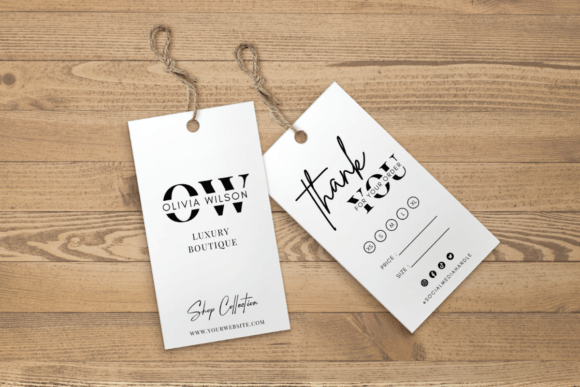
Minimal Simple Clothing Price Labels: Streamlining Your Brand’s Identity
In the competitive landscape of fashion retail and e-commerce, the smallest details often carry the most weight. While the garment itself is the primary product, the elements that accompany it—the packaging, the tags, and the thank-you notes—define the customer experience. This is where Minimal Simple Clothing Price Labels come into play. They are not merely functional stickers; they are a critical touchpoint in your brand’s narrative, offering clarity, professionalism, and a cohesive aesthetic that resonates with modern consumers.
However, creating these labels requires more than just design intuition; it demands a streamlined workflow. For small business owners, freelancers, and creators, time is a finite resource. The ability to produce high-quality, customizable assets without investing in expensive software or professional printing services immediately is essential. This article explores how integrating editable digital templates, specifically those designed for platforms like Canva, can optimize your operational efficiency while maintaining a premium brand image.
The Role of Digital Assets in Modern Workflow
Before diving into the specifics of price labels, it is crucial to understand the broader context of digital asset management. In today’s remote-first and agile business environment, the ability to edit files on the fly is a superpower. Traditional design workflows often involve complex file transfers, version control issues, and reliance on third-party designers for minor tweaks. By utilizing editable thank you card templates and label designs within browser-based tools, you eliminate these bottlenecks.
This approach aligns perfectly with the needs of professionals, marketers, and entrepreneurs who need to pivot quickly. Whether you are launching a new clothing line, restocking an existing collection, or adjusting prices due to supply chain fluctuations, having access to a library of simple, clean templates allows for rapid implementation. The key is to view these digital items not as static products but as dynamic components of your business infrastructure.
Understanding Minimal Simple Clothing Price Labels
Minimalism in design is not about emptiness; it is about intentionality. Minimal Simple Clothing Price Labels focus on essential information: the item name, size, price, and perhaps a brief care instruction or brand logo. This reductionist approach ensures that the customer’s attention remains on the quality of the garment rather than being distracted by cluttered graphics or excessive text.
From a practical standpoint, these labels serve multiple purposes. They provide transparency, which builds trust. They reinforce brand identity through consistent typography and color palettes. And, importantly, they offer a seamless transition from production to sale. When you use a template that is both cute and classic, you create a versatile asset that works across various occasions and product types, from casual wear to formal attire.
Why Editability Matters
The true value of these labels lies in their customizability. A one-size-fits-all solution rarely works in branding. You need the flexibility to update prices, change logos, or tweak wording without starting from scratch. This is where the integration of CANVA becomes invaluable. As a simple and free online editing tool, Canva democratizes design, allowing users with no prior graphic design experience to create professional-looking materials.
You don’t need to install any software, just use your web browser to edit. This accessibility reduces the learning curve and technical barriers, enabling you to focus on strategy and execution. Whether you are a hobbyist selling handmade jewelry or a seasoned entrepreneur managing a full-scale apparel brand, the ability to edit directly in the cloud ensures that your assets are always up-to-date and aligned with your current market positioning.
Integration into Your Business Process
Implementing Minimal Simple Clothing Price Labels into your daily operations requires a structured approach. Here is how this digital asset fits into various stages of your workflow:
- Pre-Production Planning: Before you cut fabric or source materials, finalize your label design. Use the template to establish your brand’s visual language. Consistency here prevents costly reprints later.
- During Production: As you assemble orders, use the digital files to generate labels on demand. This just-in-time approach minimizes waste and ensures that every item leaving your warehouse has accurate, current pricing.
- Post-Purchase Experience: Pair your price labels with the included thank-you cards. These cards, available in styles ranging from cute to classic, allow you to express gratitude personally. This interaction turns a transactional moment into a relational one, encouraging repeat business and positive reviews.
This holistic approach ensures that every touchpoint, from the tag on the shirt to the note in the box, contributes to a unified brand story. It transforms a simple purchase into an experience that customers remember and share.
Technical Implementation and File Management
Understanding the technical aspects of your digital purchases is crucial for smooth execution. When you acquire these templates, it is important to know exactly what you are receiving. Typically, after you purchase this template, you will receive a .zip file containing a PDF file. This standard format ensures compatibility across various devices and operating systems.
What’s inside usually includes a 2×3.5 inches of the text template. This specific size is widely recognized in the industry, fitting standard printer trays and cutting mats. However, it is vital to note that there is no final mockup image provided. This is intentional. The lack of a pre-rendered mockup means you have the freedom to visualize the label in its final context. You can place the design onto images of your own garments using Canva’s background remover or overlay tools, giving you precise control over how the label looks against different fabrics and colors.
Compatibility and Usability
All you need is a FREE Canva account and a basic knowledge of Canva. This low barrier to entry is a significant advantage. It means you can collaborate with team members, outsource minor edits to virtual assistants, or train new staff without additional software costs. The platform’s intuitive interface supports drag-and-drop functionality, making the editing process straightforward and efficient.
Furthermore, because the template is digital, it is inherently scalable. If your business grows and you decide to expand into larger sizes or different product lines, you can duplicate and modify the existing templates instantly. This scalability supports long-term growth without requiring a complete overhaul of your design system.
Printing Strategies for Optimal Results
Once your design is finalized, the next step is physical production. HOW TO PRINT YOUR FILES is a question that often arises, and the answer depends on your volume and budget. You have several viable options:
- Home Printing: For low-volume businesses or those testing new designs, printing at home is cost-effective. Ensure you use high-quality paper stock that matches your brand’s aesthetic. Matte or glossy finishes can significantly impact the perceived value of the label.
- Local Print Shops: Stores like Staples or Office Depot offer professional-grade printers and a variety of paper weights. This option is ideal for medium runs where consistency and durability are priorities.
- Online Print Services: Platforms like Vistaprint provide extensive customization options, including special finishes like foil stamping or rounded corners. This is suitable for businesses looking to add a premium touch to their packaging.
- Local Specialty Printers: For unique textures or eco-friendly materials, a local print shop may offer specialized substrates that align with sustainable business practices.
Regardless of the method you choose, always print a test batch first. Check for alignment, color accuracy, and readability. This quality control step prevents errors from reaching your customers and maintains the integrity of your brand.
Conclusion: Elevating Your Brand Through Simplicity
Incorporating Minimal Simple Clothing Price Labels into your business model is more than a design choice; it is a strategic decision that enhances efficiency, consistency, and customer satisfaction. By leveraging editable digital templates and user-friendly tools like Canva, you empower yourself to manage your brand’s visual identity with agility and precision.
Remember, this is a digital item. No printed item will be shipped to your home. Instead, you are acquiring a powerful tool that adapts to your evolving needs. From the initial design phase to the final print, every step offers an opportunity to refine your process and strengthen your connection with your audience. Embrace the simplicity, customize with confidence, and watch as these small details contribute to the success of your larger business goals.