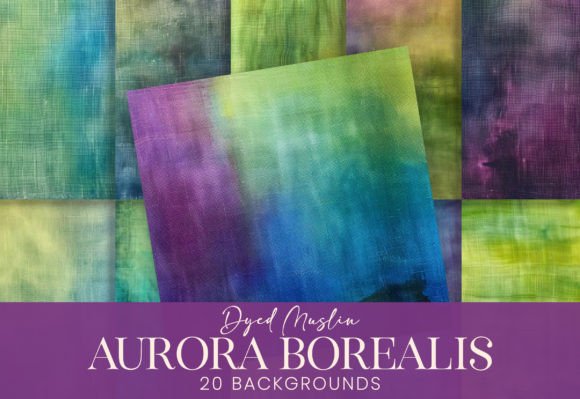
Aurora Borealis Dyed Muslin Cloth Linen: A Digital Resource for Creative Design
In the realm of digital design and physical craft production, texture plays a pivotal role in conveying authenticity and tactile quality. Among the various textures available to designers, fabric backgrounds offer a unique opportunity to add depth, warmth, and organic character to visual projects. One specific resource that has gained attention in creative communities is the Aurora Borealis Dyed Muslin Cloth Linen digital background set. This collection provides high-resolution images of dyed muslin fabrics in rich, natural shades, serving as a versatile tool for both digital graphic design and physical product customization.
This article evaluates the utility, applications, and technical specifications of this digital asset, helping creators determine whether it aligns with their specific project needs. By examining its features and potential use cases, readers can make informed decisions about incorporating these textures into their workflow.
Understanding the Product: What Is Aurora Borealis Dyed Muslin?
The term "Aurora Borealis Dyed Muslin Cloth Linen" refers to a digital compilation of photographic textures rather than a physical textile. Specifically, it is a set of twenty (20) JPG files that capture the intricate details of muslin cloth dyed in organic hues of purple, green, and blue. These colors are chosen to evoke the ethereal, shifting tones often associated with the northern lights, providing a sophisticated yet earthy aesthetic.
Muslin itself is a plain-woven cotton fabric, traditionally known for its durability and breathability. When used as a background texture, it offers a subtle weave pattern that suggests craftsmanship and natural origins. The "dyed" aspect implies a non-uniform coloration, adding variation and realism to the image, which is crucial for avoiding the flat, artificial look common in stock photography.
Technical Specifications and Quality Standards
For professional designers and print-on-demand sellers, technical specifications are paramount. The Aurora Borealis Dyed Muslin Cloth Linen set is marketed with several key technical attributes that support its usability across different mediums:
- Resolution: Each file is 4096 pixels in width or height, classified as extra-large. This dimension ensures that the images retain clarity even when scaled up for larger prints or high-DPI displays.
- Density: At 300 DPI (dots per inch), the files meet the standard requirement for high-quality commercial printing. This prevents pixelation and blurring, which are critical for products like business cards, tote bags, and packaging labels.
- Format: The files are provided in JPG format. While PNG is often preferred for transparency, JPG is widely compatible with most design software and sublimation workflows.
- Seamlessness: It is important to note that these backgrounds are non-seamless. This means they are designed to be used as focal points or single-page backgrounds rather than as repeating patterns for wrapping paper or continuous wallpaper.
These specifications suggest that the product is optimized for end-products where the texture is a central visual element, rather than a subtle, repeating backdrop.
Primary Applications and Use Cases
The versatility of this digital set allows it to bridge the gap between digital marketing materials and physical merchandise. Below are the primary categories where this resource proves valuable.
Physical Merchandise and Print-On-Demand
One of the most significant advantages of having high-resolution fabric textures is their application in sublimation and direct-to-garment printing. Sublimation involves transferring dye onto materials like polyester, ceramics, and metals using heat. The Aurora Borealis Dyed Muslin Cloth Linen textures can be printed onto tumblers, mugs, and playing cards, giving the final product a premium, textured appearance that mimics real fabric.
Additionally, these backgrounds are well-suited for:
- Hippie Totes and Apparel: The organic shades and natural fabric texture align perfectly with bohemian and eco-friendly branding aesthetics.
- Candle and Soap Labels: Using a linen texture on product labels adds a sense of artisanal quality and handcrafted care, which resonates with consumers of natural beauty products.
- Notebook Covers and Scrapbooking: For stationery designers, these images provide a ready-made textured base that reduces the need for complex layering effects in design software.
Digital Design and Social Media
In the digital space, visual hierarchy and engagement are driven by compelling imagery. These backgrounds serve multiple functions:
- Social Media Graphics: They can act as trendy backgrounds for Instagram posts, Pinterest pins, or Facebook covers, offering a visually interesting but not distracting canvas for text overlays.
- Website Elements: Web designers can use these textures for headers, footer backgrounds, or section dividers to add warmth to a minimalist website layout.
- Printable Invitations: For event planners, these images can be incorporated into party invitations and napkins, creating a cohesive theme without the cost of custom physical printing.
Evaluating Benefits and Tradeoffs
When considering the acquisition and use of this digital asset, it is essential to weigh its benefits against potential limitations.
Benefits
The primary benefit is efficiency. Creating realistic fabric textures from scratch requires advanced skills in Photoshop or specialized scanning equipment. Purchasing a pre-made set like the Aurora Borealis Dyed Muslin Cloth Linen saves time and resources. Furthermore, the extra-large resolution (4096 PX) future-proofs the assets, allowing creators to adapt them to new product sizes as trends evolve.
Another advantage is the organic color palette. The mix of purple, green, and blue offers a modern, nature-inspired aesthetic that is currently popular in lifestyle branding. Unlike synthetic-looking digital gradients, these images retain the imperfections and variations of real dyed cloth, enhancing perceived authenticity.
Tradeoffs and Considerations
The most notable limitation is the non-seamless nature of the files. If a designer intends to create a repeating pattern for a large-scale print run, such as a bedsheet or a roll of wrapping paper, these files will not work without additional editing to stitch the edges together. This restricts their use primarily to single-item designs or fixed-layout graphics.
Additionally, because the files are JPGs, they do not include transparency channels. Designers must manually remove backgrounds or use blending modes to integrate the texture over other elements, which may require more effort compared to layered PSD files.
Finally, while the resolution is high, the actual visual impact depends on the original source material. Users should review sample previews to ensure the level of detail matches their expectations, particularly if they plan to zoom in significantly on the final product.
Who Should Consider This Resource?
This digital background set is particularly well-suited for:
- Print-on-Demand Entrepreneurs: Those selling on platforms like Etsy or Redbubble who need high-quality mockups or direct-print files for items like mugs, totes, and art prints.
- Graphic Designers: Freelancers looking to expand their library of textures for client projects involving branding, packaging, or editorial design.
- Crafters and Hobbyists: Individuals engaged in scrapbooking, decoupage, or DIY home decor who want professional-grade textures for their printable papers and cards.
Conversely, users seeking seamless patterns for large-format textiles or those requiring editable vector layers may find this resource less suitable. In such cases, exploring vector-based fabric illustrations or dedicated seamless pattern libraries might be a better alternative.
Conclusion
The Aurora Borealis Dyed Muslin Cloth Linen digital background set represents a practical and high-quality resource for creatives seeking to incorporate organic, textured elements into their work. With its 300 DPI resolution and extra-large dimensions, it meets the rigorous standards required for commercial printing and digital display. Its strength lies in its ability to lend an artisanal, authentic feel to a wide variety of products, from social media graphics to physical merchandise.
While the non-seamless format limits its use in repeating patterns, this constraint is offset by its effectiveness as a standalone focal point. For designers and makers who prioritize realism and efficiency, this collection offers a valuable addition to their digital toolkit. By understanding its technical capabilities and ideal applications, users can effectively leverage these textures to enhance the visual appeal and marketability of their creative projects.