Watercolor Plaid Seamless Backgrounds
There is a distinct charm in the intersection of rustic tradition and soft, artistic expression. Watercolor plaid seamless backgrounds offer exactly that—a blend of structured geometric patterns with the organic, bleeding edges characteristic of hand-painted watercolors. This aesthetic has become increasingly popular among creators who want to add warmth, texture, and a touch of nostalgia to their projects without sacrificing professional quality.
Whether you are a seasoned graphic designer looking for unique textures or a hobbyist wanting to elevate your scrapbooking, these digital assets provide a versatile foundation for creativity. The appeal lies in their duality: they retain the recognizable comfort of classic tartan or checkered designs while feeling fresh, modern, and artistically rendered through the fluid medium of watercolor.
The Appeal of Watercolor Texture
Traditional digital patterns can sometimes feel flat or overly rigid. By introducing watercolor techniques into plaid designs, artists introduce subtle variations in color saturation, paper grain, and edge softness. These imperfections are what make the design feel human and authentic. When you incorporate watercolor plaid seamless backgrounds into your work, you are not just placing a pattern; you are adding a layer of visual depth that mimics physical art materials.
This style resonates strongly with audiences because it evokes feelings of coziness, autumnal warmth, and handmade care. It bridges the gap between corporate cleanliness and personal warmth, making it suitable for a wide array of applications. From small business branding to intimate family keepsakes, this aesthetic strikes a balance that appeals to adults aged 20 to 50 who appreciate both functionality and beauty.
What You’ll Receive 🍂
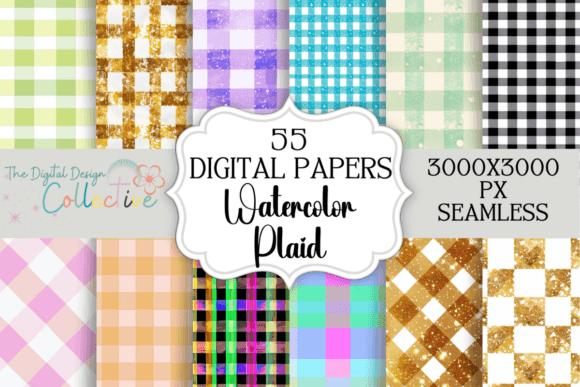
Upon purchase, you’ll instantly gain access to a high-resolution, digital download of 55 seamless patterns papers. This extensive collection ensures that you have ample variety to choose from, whether you need bold contrasts for a logo background or subtle pastels for a wedding invitation. The "seamless" nature of these files means they can be tiled infinitely without visible breaks, which is crucial for web design, wrapping paper creation, and fabric printing.
Having 55 distinct options allows for significant customization. You can mix and match different color palettes within the same project or use specific patterns to denote different sections of a book or website. This volume of content provides exceptional value, serving as a comprehensive resource for long-term creative projects rather than a one-time use asset.
Creative Applications Across Industries
The versatility of these backgrounds makes them indispensable for various creative endeavors. Here is how different users can integrate these patterns into their workflows:
- Scrapbooking Design: Design captivating pages for memories that will last a lifetime. Use these backgrounds as base layers for photo layouts, allowing images to pop against the textured backdrop.
- Digital Scrapbooking Layouts: Create stunning digital albums with ease. The high resolution ensures that even when zoomed in on a tablet or computer screen, the watercolor details remain crisp and beautiful.
- Website Blog Designs: Infuse your online presence with a touch of seasonal style. Use these patterns for header images, sidebar accents, or section dividers to give your blog a unique, branded look.
- Logos: Craft eye-catching logos that represent your brand uniquely. A watercolor plaid background behind a clean white logo can create a striking contrast that feels both established and artistic.
- Invitations & Birth Announcements: Make your special occasions unforgettable. The soft edges of the watercolor technique soften the formality of traditional invitations, making them feel more personal and welcoming.
- Tags & Wrapping Paper: Elevate your gift-giving with personalized touches. Print these patterns directly onto cardstock for tags or use them as full wraps for holiday presents.
- Books and Journals: Enhance your written works with eye-catching covers. Whether you are self-publishing a novel or creating a planner, a unique cover design helps your product stand out on shelves.
- Jewelry Design: Design custom pieces that reflect your style. Use the patterns as inspiration for enamel work or as packaging backdrops for handmade jewelry.
- Cards & Place Cards: Add a personal touch to your greetings and events. Perfect for dinner parties or formal dinners where attention to detail is paramount.
- Planner Stickers: Stay organized in style with custom planner decorations. Cut out elements from the patterns to create unique stickers for bullet journals.
- Handmade Stationery: Create one-of-a-kind letters and notes. Personalized stationery adds a layer of thoughtfulness to correspondence.
- Business Cards: Make a memorable first impression with distinctive cards. For creative industries like interior design or fashion, this aesthetic signals an eye for detail.
- Decoupage Decorated Furniture: Transform ordinary items into artful creations. Use the patterns in decoupage projects to add texture to boxes, trays, or furniture surfaces.
- Packaging: Elevate your product packaging for a professional look. Consistent branding across packaging reinforces trust and quality.
- Printed Paper Items: Design custom stationery, envelopes, and more. Expand your stationery line with coordinated sets.
- Crafts for Weddings, Birthdays, and More: The themes are endless. From baby showers to anniversary celebrations, the adaptable color palettes fit nearly any occasion.
Practical Considerations for Beginners
While the creative possibilities are vast, there are practical aspects to consider when working with watercolor plaid seamless backgrounds. First, ensure you understand the licensing terms associated with your digital purchase. Most commercial licenses allow you to use the patterns in products you sell, such as printed planners or wrapped gifts, but may restrict direct resale of the digital file itself. Always read the fine print to protect your business.
Secondly, consider the color profile of your final output. If you are designing for the web (RGB), the colors will appear vibrant on screens. However, if you plan to print physical items, you may need to convert the files to CMYK mode to ensure the colors translate accurately to ink. Watercolor tones, particularly soft blues and greens, can sometimes shift during the printing process, so always order a test print before committing to a large run.
Finally, think about contrast. Because watercolor patterns have varying densities of paint and transparency, pairing them with text requires careful selection of font colors. Darker plaid sections may require white or light-colored text, while lighter, washed-out areas might support darker fonts. Testing your layout at actual size is the best way to ensure readability and aesthetic harmony.
Why This Style Endures
The enduring popularity of plaid combined with watercolor textures speaks to a desire for authenticity in a digital world. As more people consume content online, there is a growing appreciation for designs that mimic the tactile experience of real-world materials. Watercolor plaid seamless backgrounds deliver that tactile illusion, providing a sense of warmth and craftsmanship that standard vector graphics often lack.
For entrepreneurs and freelancers, using these backgrounds can differentiate their brand identity in a crowded market. For educators and parents, they offer a way to make learning materials or family memories feel special and curated. Ultimately, the value of these digital assets lies not just in the pattern itself, but in the emotional connection it fosters with the viewer. By choosing this aesthetic, you are choosing to communicate care, creativity, and attention to detail in every project you undertake.