Mastering the Art of Print-on-Demand: Why Vector Design is the Secret Weapon for Scalable Merchandise
In the rapidly evolving landscape of e-commerce and digital entrepreneurship, the barrier to entry has never been lower. Platforms like Etsy, Redbubble, Teespring, and Amazon Merch have democratized the ability to turn creative ideas into tangible products. However, with this accessibility comes a fierce competition. To stand out in a saturated market, success is no longer just about having a catchy slogan or a trendy image; it is about technical excellence, versatility, and professional-grade execution. This is where the concept of BE KIND vector design becomes not just an aesthetic choice, but a strategic business asset.
For aspiring entrepreneurs and seasoned print-on-demand (POD) business owners alike, understanding the power of vector graphics is fundamental. The "Be Kind" design philosophy, rendered in precise vector formats, offers more than just a message of positivity—it represents a workflow that ensures quality, scalability, and profitability across multiple product lines. Whether you are looking to launch a new clothing line, expand your home decor offerings, or simply understand why some designs look crisp on a billboard while others pixelate on a t-shirt, this guide will explore the critical intersection of graphic design principles and POD business strategy.
The Foundation of Professional Graphics: Understanding Vectors vs. Raster
To truly appreciate the value of a Print Ready T-shirt Design, one must first distinguish between the two primary types of digital images: raster and vector. Most beginners start with raster images—files like JPEGs or PNGs composed of a fixed grid of pixels. While perfect for photographs, raster images suffer from a significant limitation: resolution dependency. If you try to enlarge a raster image, it becomes blurry, blocky, and unprofessional. This is known as pixelation.
Vector graphics, conversely, are built using mathematical equations rather than pixels. They define shapes, lines, and curves based on coordinates. The result is an image that can be scaled to any size—from a tiny icon on a phone screen to a massive banner on a skyscraper—without losing an ounce of clarity or sharpness. When you purchase a file package that includes EPS and SVG formats, you are acquiring assets that are infinitely resizable. This technical advantage is the cornerstone of a successful merchandise business, ensuring that your brand maintains a premium look regardless of the product dimensions.
Versatility Across Merchandise: From Apparel to Accessories
The phrase "Be Kind" carries universal appeal, transcending cultural and demographic boundaries. However, the medium through which this message is delivered matters immensely. A high-quality vector design allows for seamless adaptation across various product categories, maximizing your return on investment for a single creative effort. Let’s explore how a versatile design fits into different aspects of modern consumer goods.
Apparel and Fashion
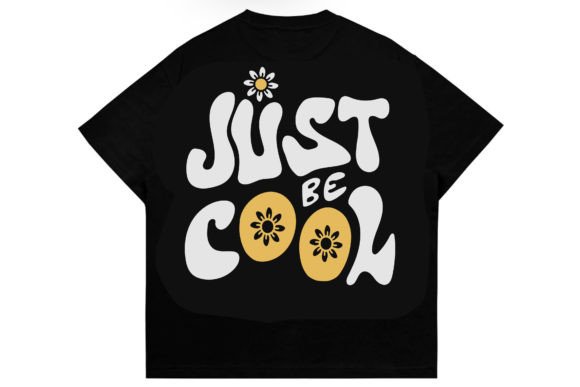
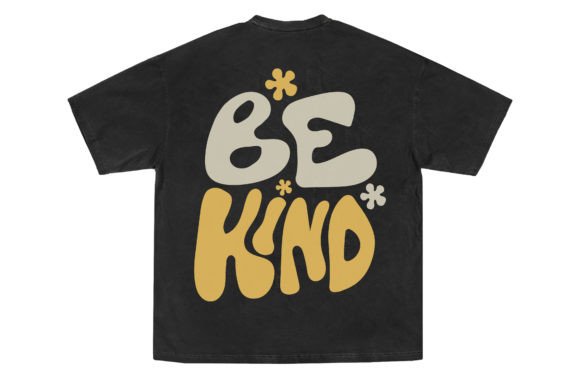
T-shirts remain the most popular item in the POD industry. The requirement for apparel design is strict: the artwork must withstand the printing process, whether it is Direct-to-Garment (DTG), screen printing, or heat transfer vinyl (HTV). A design made with 100 vector shapes is ideal for HTV because each shape can be easily isolated and cut by a plotter. Furthermore, the ability to change colors effortlessly means you can create variations for both light and dark fabrics without needing to redraw the artwork. For instance, using a bright white vector outline against a black t-shirt creates a striking contrast that draws the eye immediately.
Mugs and Drinkware
The global coffee culture drives a massive market for personalized mugs. Unlike t-shirts, mug prints are often cylindrical and curved. Vector files allow designers to wrap text and graphics around the curvature of the mug with precision. Because vectors maintain their edge definition, logos and typography remain legible even when viewed from an angle. A simple "Be Kind" message, rendered in bold vector typography, serves as a gentle reminder to customers and colleagues alike, making it a perfect gift item.
Bags, Posters, and Stationery
Beyond apparel, the utility of vector design extends to tote bags, backpacks, and wall art. For posters and cards, high-resolution output is non-negotiable. While a standard PNG might suffice for small thumbnails, large-format printing requires the infinite scalability of EPS or SVG files. Additionally, for printed materials like poster cards, the clean lines of vector art ensure that intricate details do not get lost in the paper grain. This versatility allows a single design asset to populate an entire storefront, increasing the perceived value of your shop.
Technical Features That Drive Business Efficiency
When evaluating a digital download for your business, features matter just as much as aesthetics. The inclusion of specific file formats and customizable properties directly impacts your workflow efficiency and cost-effectiveness.
- Multi-Format Compatibility: A comprehensive package typically includes EPS (Encapsulated PostScript), SVG (Scalable Vector Graphics), PNG Transparent, and JPG. Each format serves a distinct purpose. EPS and SVG are used for editing and cutting machines. PNG files with transparent backgrounds are essential for uploading to POD platforms like Printful or Printify, as they allow the design to blend seamlessly with the product color. JPG files provide a quick preview option.
- Easy Customization: Modern consumers love personalization. A design that is easy to customize allows you to offer variations without starting from scratch. If the design is built with grouped vector shapes, you can swap out colors or modify text elements in software like Adobe Illustrator or Inkscape. This flexibility enables you to target niche markets—for example, changing the color palette to match seasonal trends or holiday themes.
- Optimization for Dark Fabrics: One of the common challenges in POD is designing for dark-colored shirts. Standard designs often require a white background box, which can look amateurish. A well-constructed vector design allows for easy color inversion or the addition of outlines, ensuring the design pops against dark backgrounds. This feature alone can double your potential customer base by allowing sales on black, navy, and heather grey garments.
Practical Application: How to Use Your Digital Assets
Understanding the theory is valuable, but practical application is where revenue is generated. Once you have acquired your ZIP file containing the vector assets, the next step is preparation. It is crucial to remember that these are DIGITAL downloads; no physical items will be shipped. You are purchasing the intellectual property rights to use these designs for commercial purposes.
- Extraction: Upon download, you will receive a compressed ZIP file. You will need to extract these files using software such as WinZIP, WinRAR, or the built-in extraction tools in Windows and macOS. Double-clicking the file often works, but dedicated software ensures all sub-folders are preserved correctly.
- Software Selection: To edit EPS and SVG files, you will need vector graphics software. Adobe Illustrator is the industry standard, but free alternatives like Inkscape or CorelDRAW are perfectly capable of handling these files. For simple adjustments or direct uploads, the provided PNG files can be used in basic image editors like Canva or Photoshop.
- Quality Check: Before uploading to your POD provider, always zoom in to 400% to ensure there are no stray anchor points or low-resolution artifacts. Since the design is vector-based, it should remain perfectly sharp at any zoom level.
Common Misconceptions and Best Practices
A frequent misunderstanding among new POD entrepreneurs is the belief that a "free" or "cheap" design lacks value. In reality, the cost of a design often reflects its technical complexity and licensing terms. A design priced higher may include extensive customization options, multiple file formats, and commercial usage rights that save you time and legal headaches later.
Another misconception is that once a design is created, it is done forever. The nature of vector design encourages iteration. As trends shift, so too can your designs. The "Be Kind" theme is timeless, but its presentation can evolve. By keeping your source files organized and accessible, you can refresh your inventory regularly, keeping your store dynamic and engaging for returning customers.
Conclusion: Investing in Quality for Long-Term Success
In the competitive world of print-on-demand, attention to detail separates hobbyists from professionals. Choosing a BE KIND vector design that is fully editable, scalable, and ready for printing is an investment in your brand's reputation. It ensures that every t-shirt, mug, or poster you sell reflects a standard of quality that customers trust and recognize.
By leveraging the technical advantages of EPS, SVG, and transparent PNG formats, you unlock the ability to operate efficiently across multiple product categories. You reduce production errors, minimize the need for redesigns, and maximize the reach of your creative efforts. As you embark on your journey in the POD business, remember that the foundation of a successful store is built on solid, versatile, and professionally crafted assets. Embrace the power of vector design, and let your message of kindness resonate clearly, sharply, and profitably across the globe.